Reviewing Christmas Wreath Lettering Holiday for Stitchers
As a designer who has spent countless hours staring at digitizing software and even more hours watching needles punch through fabric, I have developed a keen eye for what works in the hoop and what merely looks good on a screen. When I first opened the file for Christmas Wreath Lettering Holiday, my initial reaction was one of cautious optimism. The category is listed under Illustrations, which often signals complex, dense artwork that can be tricky to translate into thread. However, this design manages to balance artistic flair with the practical constraints of machine embroidery.
First Impressions and Visual Personality
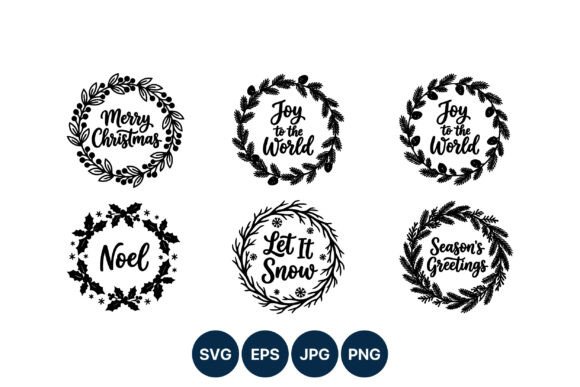
The mood of this piece is unmistakably festive without being overly cluttered. It captures that cozy, traditional holiday spirit that customers actively seek out during the winter season. The layout integrates lettering within a wreath structure, a classic combination that requires careful attention to spacing. In many poorly digitized designs, the text gets lost in the foliage or the leaves look like amorphous blobs. Here, the visual personality feels intentional. The curves of the wreath frame the text naturally, creating a focal point that draws the eye immediately.
For an embroidery designer, the first thing I look for is clarity. Does the design read well from a distance? Christmas Wreath Lettering Holiday succeeds here because it relies on strong silhouettes. Even before threading up the machine, I could visualize how the contrast between the greenery and the text would pop against various backgrounds. This is crucial for anyone creating handmade products where instant recognition is key to sales.
Real-World Application: The Tote Bag Test
To truly evaluate a design, you have to imagine it on a finished product. I recently considered using this design for a custom embroidered tote bag project. Canvas is a forgiving fabric, but it has a distinct texture that can swallow fine details. I imagined stitching this onto a natural cotton canvas tote. The wreath elements would provide a nice organic border, while the central lettering would serve as the main message.
In this scenario, the design’s performance would depend heavily on thread choice. A matte rayon or polyester thread in deep forest greens and rich reds would elevate the look, making it feel premium rather than crafty. For a small shop owner or Etsy seller, this kind of versatility is gold. It allows you to create a cohesive holiday collection that includes not just bags, but also kitchen towels and aprons. The design feels substantial enough to stand alone on a large item but detailed enough to hold interest on something smaller.
Versatility Across Product Lines
Beyond tote bags, this design has strong potential for sweatshirt embroidery. Placed on the left chest or centered on the back, it transforms a plain garment into a festive statement piece. Custom apparel is a huge market during Q4, and buyers are looking for designs that feel personal yet professional. The illustrative nature of the wreath adds a touch of sophistication that simple clipart lacks.
It also works well for baby embroidery, provided you scale it appropriately. A smaller version on a onesie or baby blanket makes for an adorable personalized gift. However, this is where we need to talk about limitations. If you are planning to use this on curved surfaces like caps, you must be careful. The density of the wreath leaves might cause puckering if the cap material is thin or if the stabilizer isn’t robust enough. Always test on scrap fabric first when dealing with structured garments.
Technical Considerations for Stitchers
Let’s get into the nitty-gritty of stitching. Since this falls under Illustrations, you should expect a mix of stitch types. Likely, you will see satin stitch used for the lettering to ensure crisp edges, and fill stitch for the wreath leaves to give them body and texture. Running stitch might be employed for finer details or outlines. Understanding this mix is vital for managing your thread breaks and trim times.
Stitch density is a major factor here. Dense areas in the wreath can pull on lightweight fabrics. If you are working with thin fabric or stretchy material, a heavy cut-away stabilizer is non-negotiable. Do not skimp on stabilization. I have seen too many beautiful designs ruined because the maker tried to save a few cents on backing. For dark fabric, consider using a white or light-colored underlay if the digitizing allows, or simply choose high-contrast thread colors to ensure the design doesn’t disappear into the background.
Another critical check is the hoop size. Before purchasing or downloading any digital embroidery file, confirm that the design fits within your machine’s maximum hoop capacity. There is nothing more frustrating than loading a file only to realize it requires a 5x7 hoop when you only have a 4x4. Check the specific dimensions provided with the file to avoid this headache.
Commercial Viability and Brand Consistency
For craft business owners and commercial embroidery professionals, the value of a design lies in its ability to enhance brand consistency. Christmas Wreath Lettering Holiday offers a polished look that builds customer trust. When a buyer sees clean, well-executed stitching, they perceive higher value. This design supports that perception by offering clear lines and balanced composition.
When creating printable mockups for your online store, this design shines. It photographs well because of its defined shapes. Use these images to showcase your design assets effectively. Whether you are selling the finished product or offering custom embroidery services, the visual appeal of this wreath can drive buyer engagement. It fits seamlessly into boutique branding strategies that favor timeless over trendy.
Practical Designer Notes
- Test on Scrap Fabric: Always run a test stitch-out on the same type of fabric you plan to use for the final product. This helps you identify any tension issues or registration errors.
- Check Thread Color Contrast: Ensure your thread colors stand out against the fabric. High contrast improves readability, especially for the lettering portion.
- Review Stitch Density: If the design feels too stiff after stitching, consider adjusting the density settings in your software if you have editing capabilities, or choose a lighter weight fabric for future projects.
- Confirm Licensing: Before selling finished items or digital products, verify the license terms. Some designers allow commercial use of finished physical goods but restrict the resale of the digital embroidery file itself.
- Inspect Small Details: Zoom in on the digitizing preview. Look for tiny jumps or unnecessary trims that could slow down production time.
In conclusion, Christmas Wreath Lettering Holiday is a solid addition to any holiday-themed library. It bridges the gap between artistic illustration and functional embroidery design. While it requires thoughtful execution regarding stabilizer and fabric choice, the result is a professional, eye-catching piece that resonates with the holiday spirit. For makers looking to expand their seasonal offerings, this design provides a reliable foundation for creating memorable handmade products.